
Brief on
Bauchi State
BASG 3.0
At a Glance
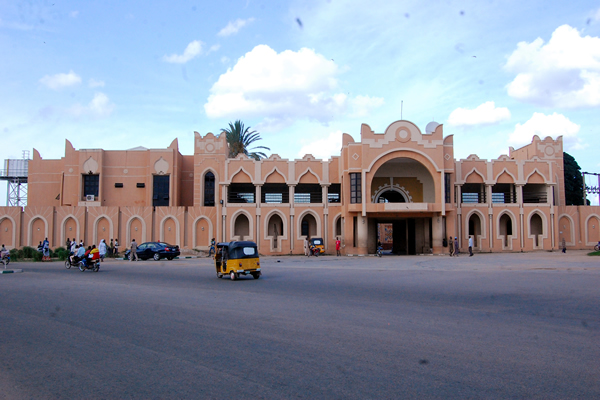
Bauchi State is being ranked high in matters of the caliphate system in Nigeria today. Topographically, Bauchi State is generally divided into two main vegetation zones of the Sudan Savannah and the Sahel Savannah.

BASG 3.0
History
Bauchi state is an agricultural state. Its vast fertile soil is an added advantage for agricultural products, which include maize, rice, millet, groundnut and guinea corn. Irrigation fanning is practiced and supported by the use of dams like Balanga Dam and others.
BASG 3.0
The People
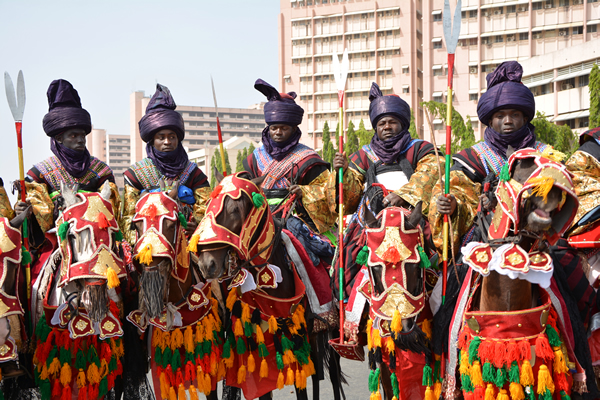
Bauchi State has a total of 55 Tribal Groups in which include Hausa, Fulani, Gerawa, Sayawa, Jarawa, Bolewa, Karekare, Kanuri, Fa’awa, Butawa, Warjawa, Zulawa, and Badawa as the main tribes. There are cultural similarities in the people’s language, occupations and economic existence.
BASG 3.0
Good Governance for
Sustainable Development
SFTAS
Bauchi State
Documents
LEADERSHIP + TEAMWORK
Teamwork is the ability to work together toward a common vision. The ability to direct individual accomplishments toward organizational objectives. It is the fuel that allows common people to attain uncommon results.
Bauchi State
Business
Opportunities
BASG 3.0
Doing Business in Bauchi State
- The Bauchi Investment Corporation (BIC) Limited is committed to investment in the designated priority sectors of the national economy and in particular areas where Bauchi State has factor endowments.
BASG 3.0
Bauchi State Economy
- The State is blessed with abundant arable land for agricultural development. It is estimated that 65% of the total land area of the State is cultivatable.
BASG 3.0
Investment Opportunities
- Based on the availability of Agro-Allied and Mineral based raw materials the following industries could be established in the State: Food Processing Industries, Groundnut oil Extraction, Cattle fattening, Ceramic (Hard and tableware) Industries.
BASG 3.0
Bauchi State
At a Glance
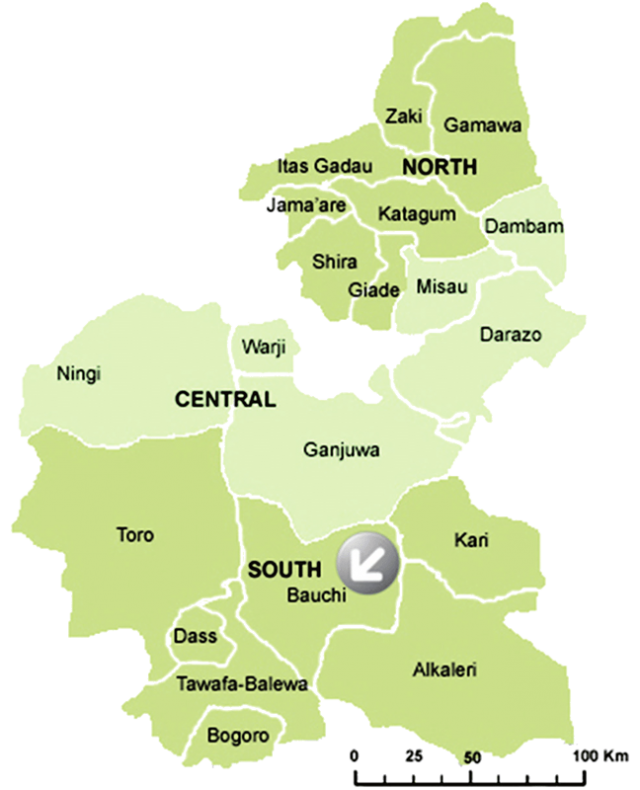
What is today known as Bauchi State was created in 1976 from the North Eastern State of Nigeria. According to the 1991 census, the state has a population of 3,836,333 after the creation of Gombe State in 1996. Bauchi State is one of the states in Northern part of Nigeria that spans two distinctive vegetation zones, namely the Sudan savannah and the Sahel Savannah.
0123456789001234567890
Local
Governments
01234567890.01234567890M+
State
Population
01234567890
Emirate
Councils
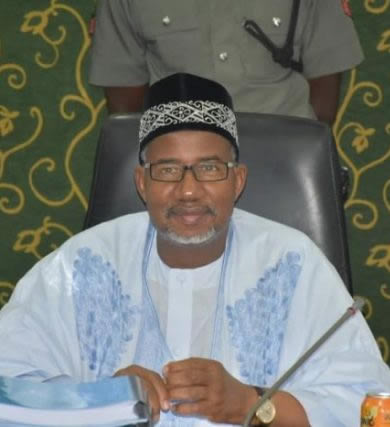
EXECUTIVE GOVERNOR
H/E (Sen.)
Bala Mohammed
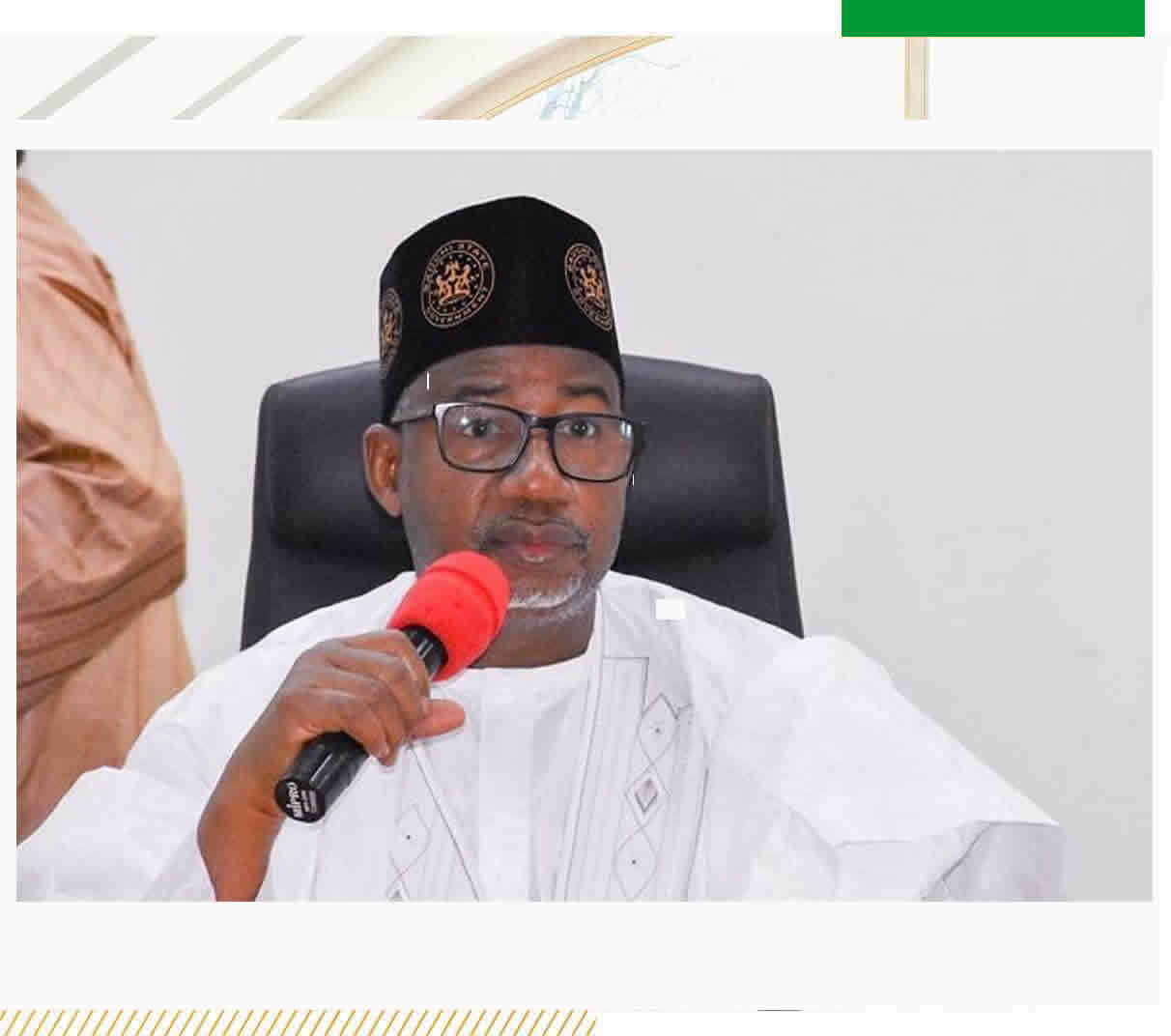
Bauchi State Governor, His Excellency (Senator) Bala Mohammed, an illustrious Nigerian, was born on 5th October, 1958 at Duguri Town in Alkaleri Local Government Area of Bauchi State.
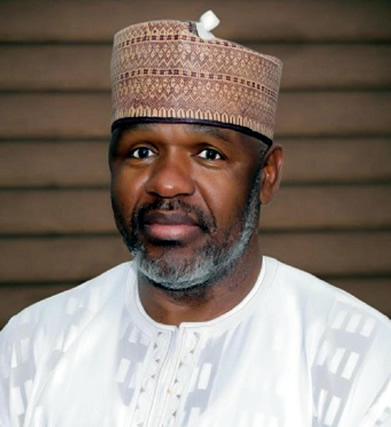
SSG
Bar. Ibrahim
Kashim
Barrister Ibrahim Kashim hails from the Bauchi Local Government Area of the State and he was a Director in the Bureau for Public Enterprises till 2015.
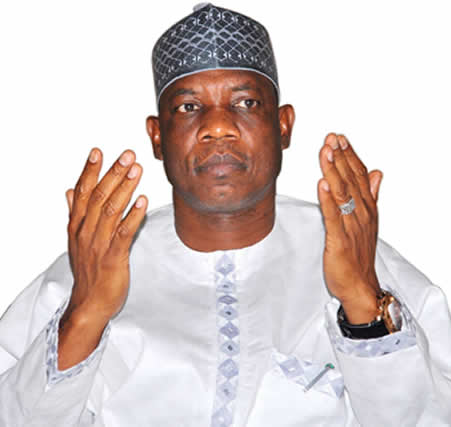
DEPUTY GOVERNOR
H/E (Rt. Hon.) Auwal Jatau
BASG 3.0
News & Announcements

Bauchi Stands Still As Party Supporters, Mammoth Crowd Welcome Gov Mohammed
BAUCHI – There were heavy jubilations in the state on Saturday as residents of the state thronged the Abubakar Tafawa Balewa International Airport to receive Governor Bala Mohammed of Bauchi following his affirmation at the Supreme court as the duly elected Governor of Bauchi State. Governor Mohammed was warmly received by People’ Democratic Party stakeholders,...
‘I offer all praises to Allah’ – Bauchi Gov Bala Mohammed reacts to Supreme Court victory
Governor Bala Mohammed of Bauchi State has reacted to his victory at the Supreme Court. DAILY POST reported that Bala Mohammed was declared as duly elected governor of Bauchi State by a seven-man panel of the Supreme Court on Friday. The judgment was delivered by Justice Ibrahim Saulawa In his reaction, the governor wrote on...
JUST-IN: Supreme Court Declares Bala Mohammed Validly Elected Bauchi Gov
The Supreme Court has declared Governor Bala Mohammed of Bauchi State as the validly elected governor of the state. The apex court dismissed the appeal filed by the All Progressives Congress governorship candidate, Saddique Abubakar, challenging Mohammed’s election and declaration by the Independent National Electoral Commission (INEC) as the validly elected governor of the state....
Bauchi State Government House
Governors Office
Government House
Bauchi – Bauchi State
Government House
Bauchi – Bauchi State
Where to find us?Bauchi, Bauchi State

Bauchi State Government House
Governors Office
Government House
Bauchi – Bauchi State
Government House
Bauchi – Bauchi State
BASGWhere to find us?
GET IN TOUCHBASG Social links
Bauchi State Government, Nigeria
Copyright by BASG / BICT. All rights reserved.
Copyright by BASG / BICT. All rights reserved.